blog

4 Key Lessons Convenience Store Operators Can Learn from Pump & Pantry’s Acquisition of 21 Hy-Vee Fast & Fresh Stores
4 Key Lessons Convenience Store Operators Can Learn from Pump & Pantry’s Acquisition of 21 Hy-Vee Fast & Fresh Stores

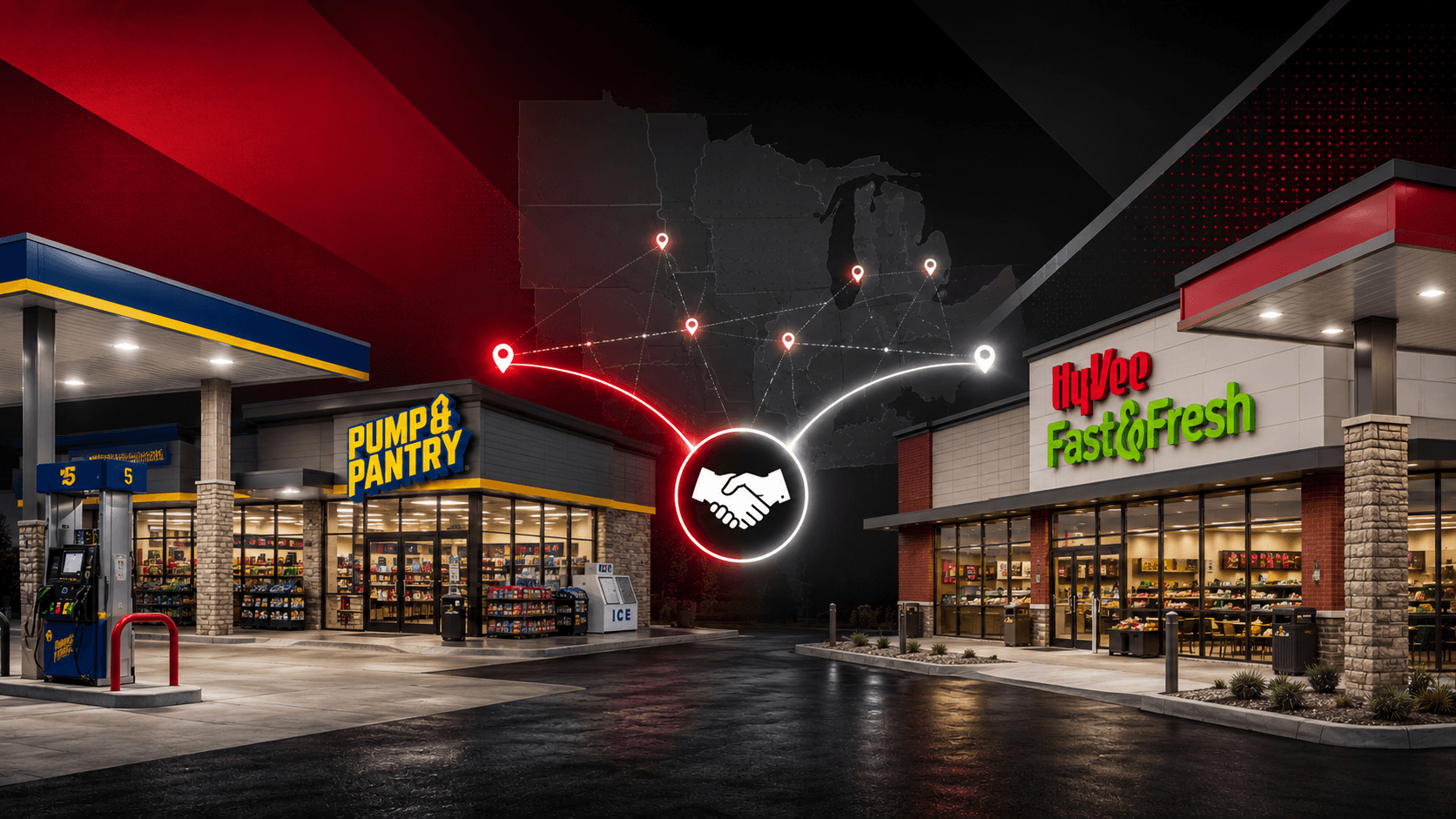
The convenience store industry is changing rapidly. Instead of relying only on building new stores, forward-thinking operators are turning to strategic acquisitions to grow faster and smarter.
Pump & Pantry’s acquisition of 21 Hy-Vee Fast & Fresh stores perfectly demonstrates this shift. Expected to close in July 2026, the deal will increase Pump & Pantry’s network by nearly 50% — from 48 to 69 stores — while expanding into Iowa and Minnesota.
For convenience store operators, this transaction delivers clear, practical lessons on intelligent expansion, customer retention during ownership changes, operational efficiency, and managing larger multi-state networks.
Understanding the Players: Pump & Pantry and the 21 Hy-Vee Fast & Fresh Stores
Pump & Pantry is a fourth-generation, family-owned convenience store and fuel retailer (part of Bosselman Enterprises) based in Nebraska. It has built a strong reputation as a reliable “hometown stop.” Before this acquisition, Pump & Pantry operated 48 stores.
Hy-Vee Fast & Fresh stores are convenience stores operated by the large Midwest supermarket chain Hy-Vee. They focus more on fresh meals, produce, and prepared foods.
The 21 Hy-Vee stores being acquired are independent (standalone) locations with their own gas pumps and convenience stores. They are not attached to large Hy-Vee supermarkets. All of them include attached fuel stations and will continue accepting Hy-Vee Fuel Saver rewards even after rebranding to Pump & Pantry.
These 21 stores are spread across:
- Iowa (18 stores)
- Nebraska (2 stores)
- Minnesota (1 store)
After the deal closes in July 2026, all 21 stores will be rebranded as Pump & Pantry, bringing the company’s total to 69 stores across three states.
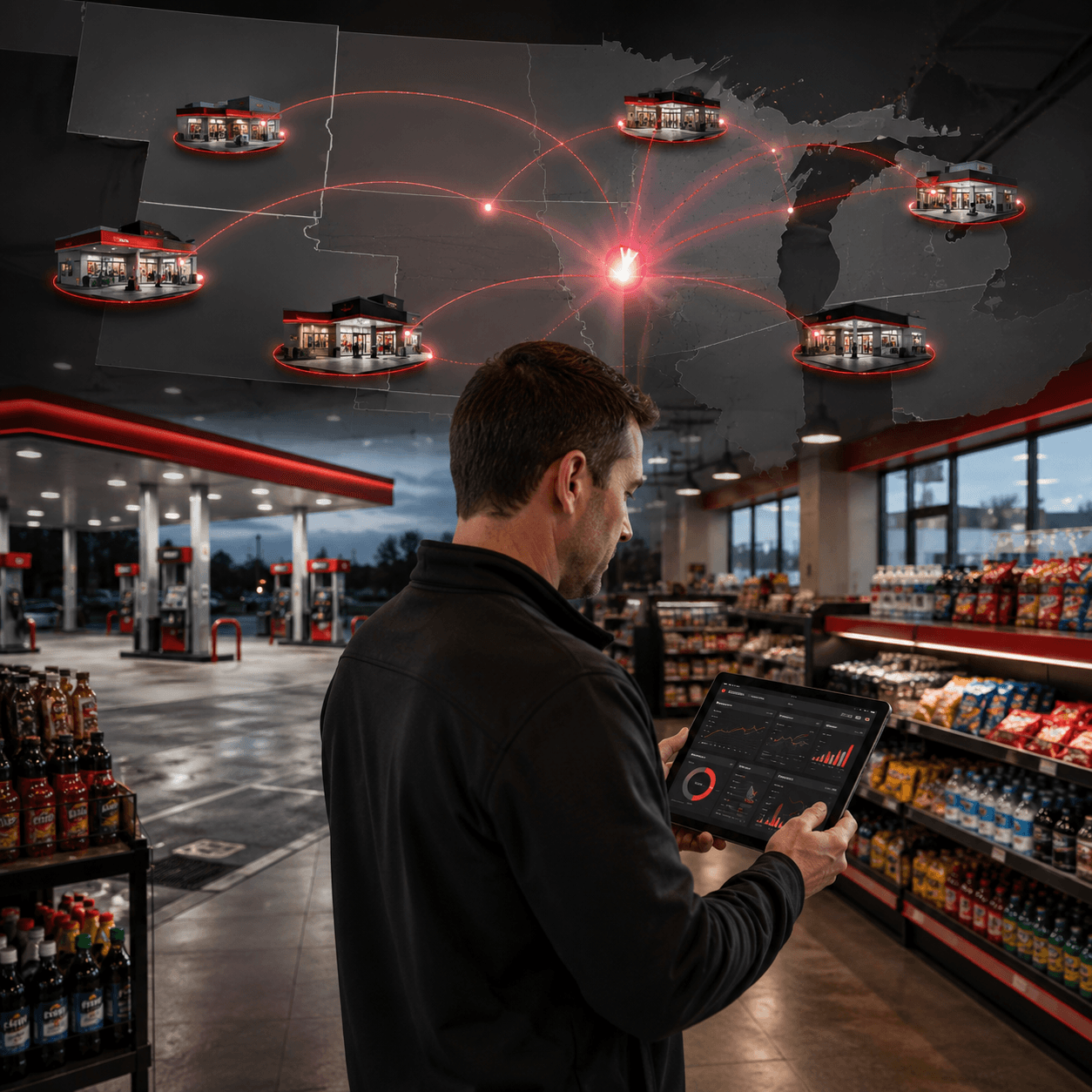
Why This Acquisition Matters Beyond Nebraska and Iowa
The Pump & Pantry acquisition of 21 Hy-Vee Fast & Fresh stores may appear to be a regional deal, but the strategy behind it reflects broader trends reshaping the entire convenience store industry.
Retail operators today face rising costs, shifting customer expectations, labor shortages, and intensifying competition. In this environment, acquisitions have become one of the most effective ways to enter new markets, acquire established customer bases, and accelerate growth without the delays of building new stores from scratch.
However, expanding through acquisitions also brings real operational challenges. Managing more locations means handling higher volumes of transactions, payments, inventory, and customer data across different states and systems.
Automated reconciliation software becomes especially valuable here, helping operators match transactions accurately and maintain financial visibility as their network grows.
4 Lessons Convenience Store Operators Can Learn From This Deal
Every acquisition like this offers more than just new stores — it reveals important strategies for growth, operations, and long-term success in a competitive industry. Here are four practical lessons convenience store operators can take away from Pump & Pantry’s acquisition of 21 Hy-Vee Fast & Fresh stores.
Lesson 1: Acquisition Is the Fastest Path to Scale — But Systems Must Keep Up
Building new stores from the ground up is expensive and time-consuming. Pump & Pantry grew its network by nearly 50% overnight by acquiring existing stores with established traffic, fuel infrastructure, and customer bases.
The lesson is clear: Acquisitions accelerate market expansion. However, rapid growth also increases operational complexity. Successful operators invest in back-office automation systems early — especially for transaction reconciliation, sales reporting, and multi-store financial visibility.
Lesson 2: Strategic Focus Beats Unfocused Diversification
Hy-Vee’s decision to sell its standalone Fast & Fresh stores shows the importance of portfolio discipline. By divesting these locations, Hy-Vee can concentrate resources on formats that best align with its core supermarket business.
Key takeaway: Not every location or format fits every operator. Regularly evaluate your portfolio and have the courage to exit formats that no longer support your long-term strategy.
Lesson 3: Customers Care About Experience, Not Ownership
Most customers won’t notice or care who owns the store. They notice clean bathrooms, consistent product availability, friendly service, and fair pricing.
During transitions, Pump & Pantry plans to retain Hy-Vee Fuel Saver rewards and popular coffee offerings while introducing its own menu and rewards. This balanced approach helps protect customer loyalty.
Lesson: Prioritize operational consistency after any acquisition. Strong retail inventory management, staff training, and clear communication prevent dips in service.
Lesson 4: Local Trust Is Your Most Valuable Asset
Acquired stores come with more than buildings and pumps — they bring established community relationships and daily routines. Protecting that local trust during rebranding is critical.
What Convenience Store Operators Should Take Away From This Deal
The Pump & Pantry acquisition of 21 Hy-Vee Fast & Fresh stores demonstrates that modern convenience retail success requires more than simply adding more store locations.
True growth comes from the ability to scale efficiently while maintaining operational control, customer satisfaction, and consistency across all stores. As businesses expand, managing payments, sales information, and financial reconciliation across multiple locations becomes more complex. Automated reconciliation software can help retailers improve accuracy, reduce manual effort, and gain better control over daily operations.
The operators who will thrive are those who combine smart expansion strategies with strong systems and a continued focus on customer experience.
As convenience retailers continue expanding, technologies that improve reconciliation, reporting, and operational visibility will become increasingly important for maintaining control at scale.


You Found a $10,000 Inventory Variance. What Should You Do Next?

Beyond Fast Response: What C-Store Operators Really Need From Customer Support

Back-to-School 2026 Shoppers Are Spending Differently—and Convenience Stores Have an Opening
Explore More

Trusted By Many
Become A Part Of It