Back-to-School 2026 Shoppers Are Spending Differently—and Convenience Stores Have an Opening

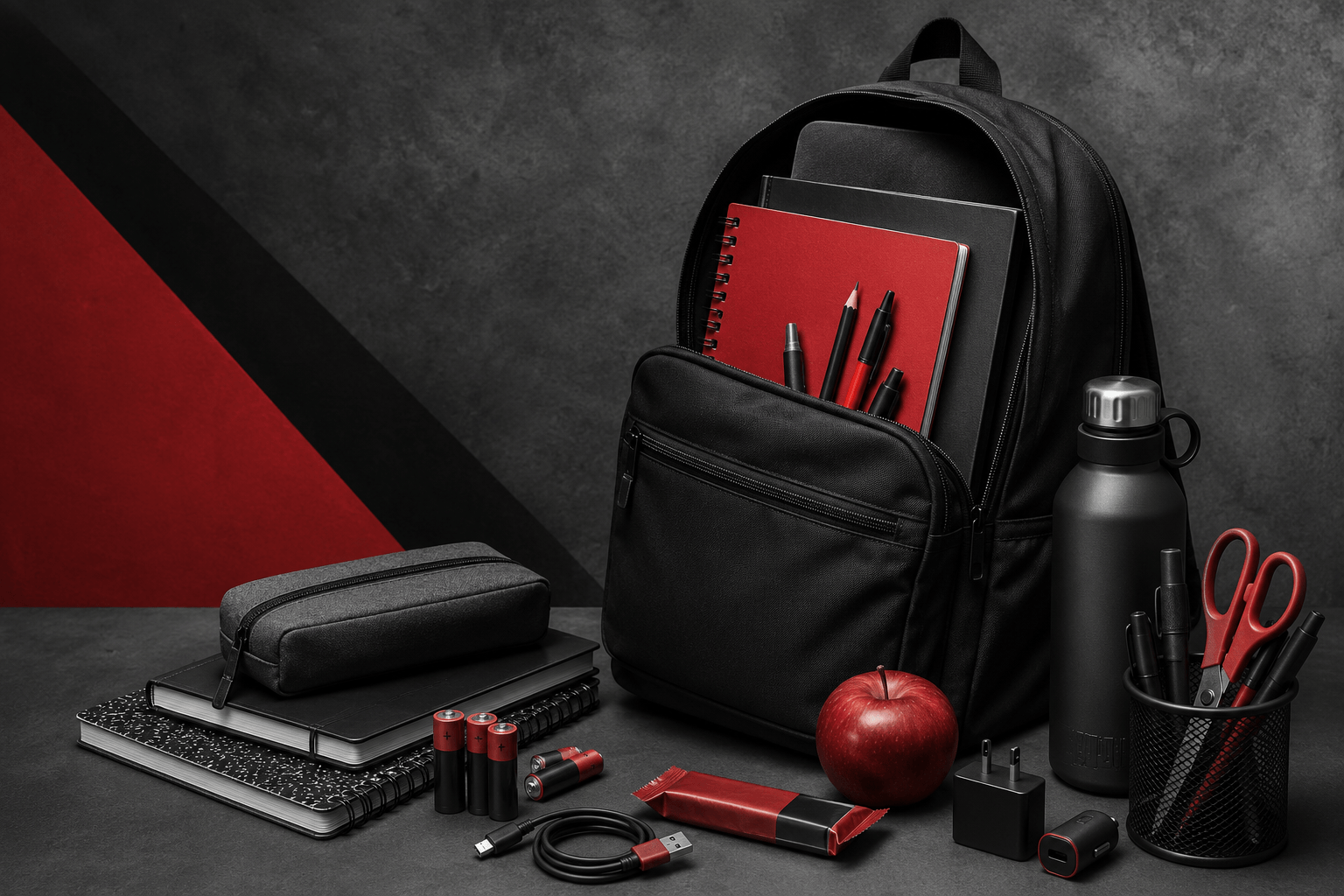
Parents are still spending for the new school year, but deal-hunting, delayed purchases, financial pressure and shifting shopping habits are reshaping the season. For convenience store and gas station owners, the opportunity isn't winning the entire back-to-school basket—it's capturing the purchases that happen between planned shopping trips.
K-12 parents plan to spend $557 per child in 2026, roughly flat year over year and 6% lower after inflation, according to Deloitte. Meanwhile, NRF projects record K-12 back-to-school spending of $43.3 billion, with combined K-12 and college spending reaching $146.8 billion. Yet 57% of surveyed consumers expect the economy to worsen over the next six months. The message is clear: Americans are still spending, but they are becoming more selective about where each dollar goes.
Three Shifts Reshaping Back-to-School Shopping in 2026
Back-to-school shoppers are changing how they spend, when they buy and what they prioritize, creating three clear shifts retailers need to understand this season.
Value-Seeking Shoppers Are Becoming More Deliberate
Thirty-one percent of K-12 parents now qualify as "hyper-value seekers," running four or more cost-saving behaviors, as per Deloitte — and this group spends 14% more per child than everyone else, not less. Value-seeking is a deliberate strategy, not corner-cutting: a shopper who switches brands or waits for a promotion still completes the purchase. The demand hasn't disappeared. The decision process has gotten more disciplined.
Deloitte found parents plan to spend 22% more on clothing and accessories while cutting technology spending 16%, as device upgrades get deferred — evidence that the cuts aren't happening evenly across categories, but by deciding what can wait and what can't.
The Shopping Trip Is Becoming a Longer Process
Forty-six percent of shoppers who hadn't finished back-to-school buying were waiting for better deals, and another 23% were spreading their budget over time, as per NRF. Back-to-school is shifting from one concentrated shopping trip to a series of smaller purchase moments: big-ticket items during a major sale, supplies closer to the first day, and return trips throughout the year as items run out or get forgotten. More of the purchase decisions are now happening after the traditional back-to-school shopping window closes — and increasingly, those later decisions are driven by urgency rather than by planning.
The "I Need It Now" Shopper Is Becoming More Important
Shoppers are balancing two priorities at once: value and convenience. A financially cautious parent might spend hours comparing prices on a laptop or a school wardrobe, but won't spend that same time hunting for a replacement item needed immediately — urgency shifts the calculation toward proximity and availability over the absolute lowest price.
That doesn't mean price stops mattering — it means retailers need to know which products are price-sensitive and which are driven by urgency, and make sure the second group is visible at the moment it matters.
In convenience retail specifically, in-store signage (44%) and pump signage (39%) are the two channels shoppers most often cite for discovering a promotion — meaning the message has to reach the shopper before they've already decided what they came in for, not after.
Convenience Stores Can Win the Unplanned Purchase
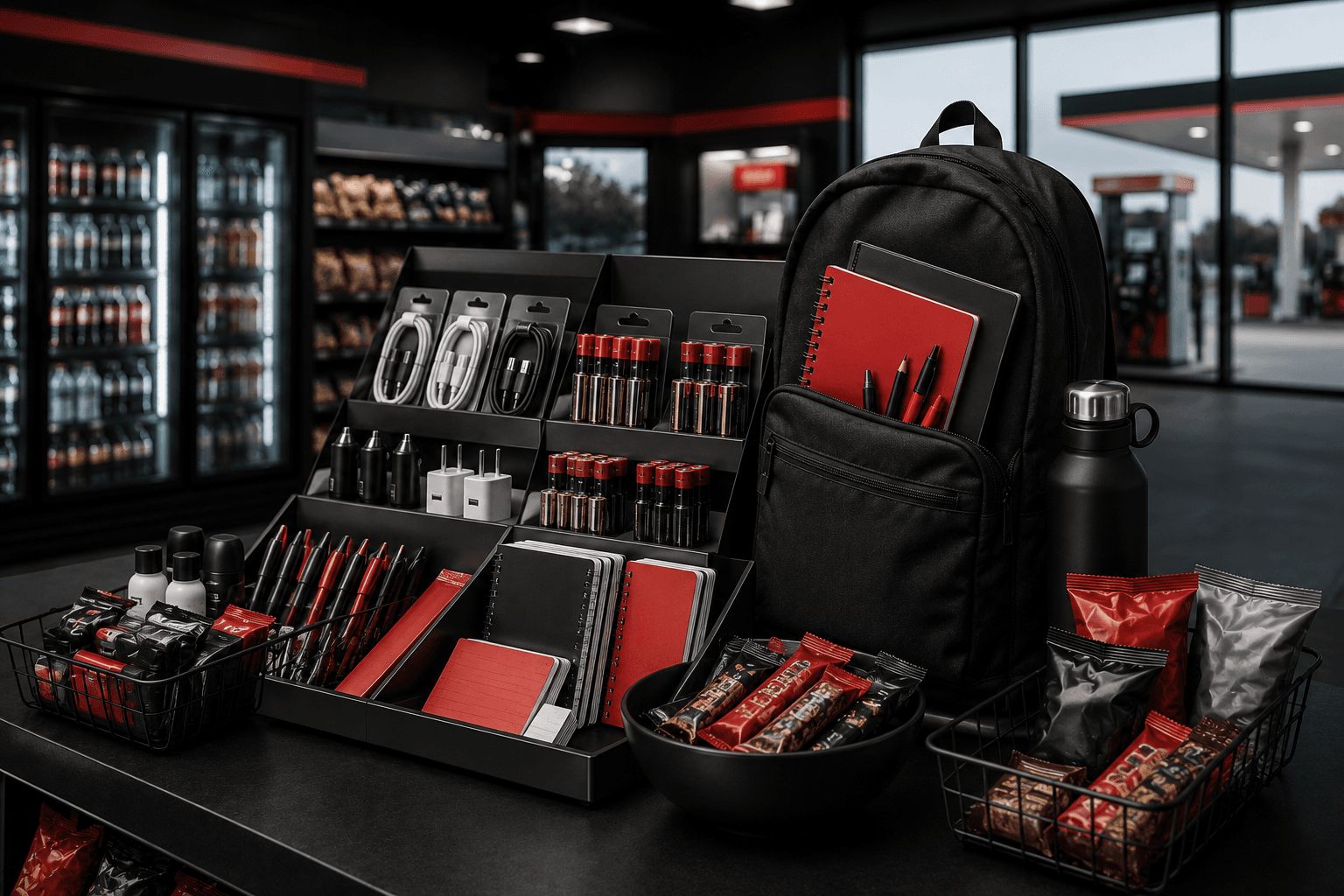
Big-box retailers are built to win the planned back-to-school trip. Convenience stores and gas stations have a different opportunity: capturing the purchases that happen between those major shopping trips. A forgotten charger, a pack of batteries, a last-minute notebook, or a snack and drink for an after-school activity may not be part of the original shopping list, but these immediate needs can create incremental sales.
The advantage is not price. Convenience retailers are unlikely to beat Walmart, Target or Amazon on a full back-to-school basket. Their advantage is proximity, speed and immediate availability. When a customer realizes they need something now, the closest store that has it can win the purchase.
Six Moves Convenience Retailers Can Make This Season
For convenience retailers, the opportunity is practical: focus on the products, promotions and customer moments most likely to drive incremental purchases this back-to-school season.
Stock the forgotten items. Add or increase inventory in categories such as phone chargers, cables, batteries, pens and basic notebooks before demand peaks. These are products shoppers may realize they need only after the main shopping trip is over.
Make promotions visible where customers already look. Use in-store and pump signage to highlight relevant back-to-school products and offers. The goal is to turn existing traffic into an additional purchase.
Repackage what already sells. Instead of adding unnecessary inventory, connect existing snack and beverage bestsellers to seasonal occasions such as study sessions, after-school activities or sports practices.
Use the fuel stop to drive the store visit. A customer who enters for a snack or other immediate need is already inside the store. That creates an opportunity to place relevant seasonal products where they are easy to notice and add to the basket.
Reduce Friction at the Checkout. For stores with a self-checkout kiosk, giving customers a faster way to complete small, immediate-need purchases can support the convenience advantage. When shoppers are picking up a forgotten charger, batteries, snacks or other last-minute items, a faster checkout can make the purchase easier without adding unnecessary friction.
Watch demand as the season changes. Back-to-school shopping is spreading across several weeks, so the products that sell early may not be the products customers need once school begins. Store-level performance visibility through a platform such as MostEdge's Store Pulse can help operators identify changing demand and adjust inventory or promotions before the opportunity passes.
The goal is not to compete with big-box retailers on their strongest ground. It is to be ready when the planned shopping trip is over and the customer realizes they still need one more thing.
The Bigger Retail Lesson: Shoppers Are Still Spending, But Differently
The six moves above reflect a broader pattern: shoppers are still spending, but they are becoming more selective about how and when they spend. With high gas prices adding pressure to family budgets, convenience and gas station operators face a familiar challenge.
For retailers where fuel and store visits often happen together, the opportunity is to capture spending beyond the planned back-to-school trip. Retailers that focus only on the main shopping event compete for price-sensitive dollars. Those prepared for unplanned purchases can capture the spending that happens afterward.
Frequently Asked Questions About Back-to-School Retail Trends
Why are convenience stores and gas stations well-positioned for back-to-school 2026?
Back-to-school shopping is becoming more spread out, creating more opportunities for last-minute and immediate-need purchases.
What is an "unplanned purchase"?
A purchase not on the original shopping list, such as a forgotten charger, batteries or a snack before practice.
How is back-to-school shopping changing in 2026?
Families are spreading purchases across the season instead of making one large shopping trip.
How do convenience shoppers discover promotions?
In-store signage (44%) and pump signage (39%) are the top ways shoppers notice promotions.
How can operators prepare for unpredictable demand?
Use store-level performance data to identify changing demand and adjust inventory and promotions quickly.
How can operators capture more back-to-school spending?
Stock high-demand essentials, promote them with in-store and pump signage, and use fuel visits to drive additional purchases.

You Found a $10,000 Inventory Variance. What Should You Do Next?
Beyond Fast Response: What C-Store Operators Really Need From Customer Support
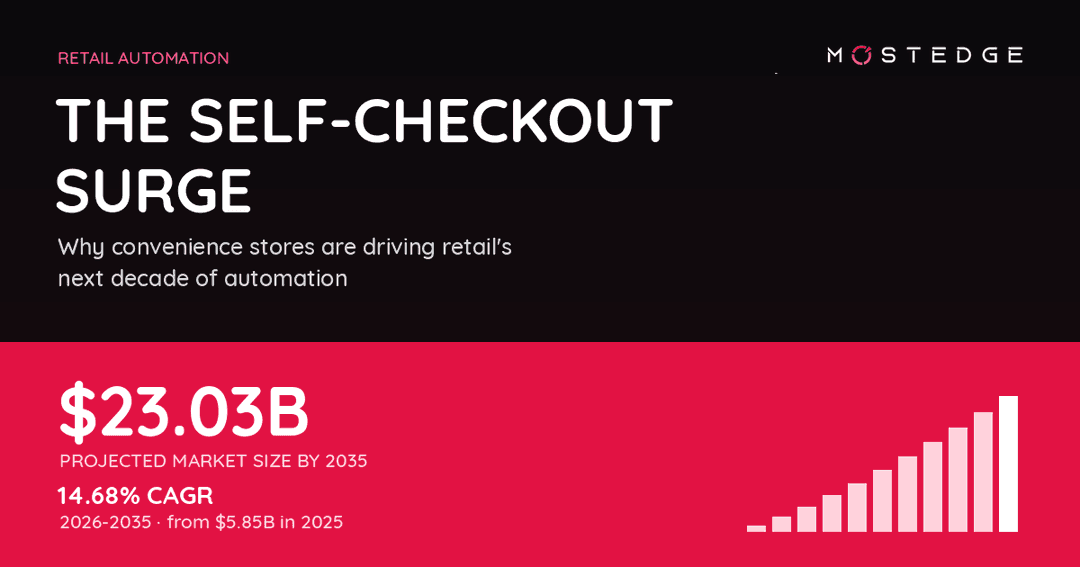
The Self-Checkout Kiosk Surge: Why Convenience Stores Are Driving the Next Decade of Retail Automation
Explore More
Trusted By Many
Become A Part Of It